

Programme
Submit a poster

Keynote Speakers
(Alphabetical order)
Kylie Price
Chief Technology Officer, Malaghan Institute of Medical Research
Kylie Price is the Chief Technology Officer at the Malaghan Institute of Medical Research, where she leads the strategy and delivery of a nationally significant, integrated research technology ecosystem spanning flow cytometry, bioimaging and histology, genomics, and data science.
With over twenty years' experience driving innovation at the intersection of technology and medical research, Kylie has helped shape national research capability by securing more than $35 million in philanthropic investment, establishing the Hugh Green Technology Centre, and leading the vision for a coordinated national RNA platform. She is currently leading the development of an accredited Bioanalytical Services Centre, delivering whole blood processing for clinical trials and expanding services to support translational research nationwide.
Kylie has held senior international governance roles, including Secretary of the International Society for Advancement of Cytometry and President of the Australasian Cytometry Society, and currently serves on the BioTechNZ Executive Council, Women in HealthTech Steering Committee and as a Director on the board of Orbis Diagnostics. A passionate leader, she focuses on building resilient, high-performing teams that support high-quality, impactful science.

A/Prof Indy Sandaradura is a clinical microbiologist and infectious diseases physician based in Sydney, where he is Chief Medical Information Officer at NSW Health Pathology, Senior Staff Specialist at Westmead Hospital and ICPMR, and Clinical Associate Professor at the University of Sydney. His work sits at the intersection of antimicrobial resistance (AMR), novel therapeutics, and capacity development in low- and middle-income countries. He has served as a WHO AMR Consultant in the Western Pacific Region, co-authored the Samoa National Antimicrobial Guidelines (2025) with the Samoa Ministry of Health, and is country lead for Samoa with the Pacific Region Infectious Diseases Association (PRIDA). He is a member of the AMR and Novel Therapies Leadership Group at the Sydney Infectious Diseases Institute, Education Officer of the Australian Committee on Antimicrobial Susceptibility Testing (AusCAST), and a member of the Westmead Bacteriophage Therapy team, which delivered one of the first clinical experiences of intravenous phage therapy for severe Staphylococcus aureus infection (Nature Microbiology, 2020). As Chief Investigator on more than A$12 million in competitive grants — he leads a research programme spanning pathogen genomics, pharmacometrics and personalised anti-infective dosing, with over 70 peer-reviewed publications.
A/Prof Indy Sandaradura
Clinical Microbiologist / ID Physician / CMIO, NSW Health Pathology; Clinical Associate Professor, University of Sydney

Dr Anna Brooks
Senior Research Fellow at the Liggins Institute and Academic Lead of Auckland Cytometry in the School of Biological Sciences, University of Auckland
Dr Anna Brooks is a Senior Research Fellow at the Liggins Institute and Academic Lead of Auckland Cytometry in the School of Biological Sciences, University of Auckland. She is a cellular immunologist and advanced flow cytometry specialist with more than 20 years’ experience developing and applying cellular immune assays for biomarker discovery and mechanistic investigation.
Her expertise in high-dimensional cytometry has supported collaborations across immunology, infectious disease, cancer biology, stromal and placental biology, and regenerative medicine, alongside consultancy and clinical trial contracts with industry partners. She is active in professional societies and clinical networks across immunology and cytometry, including service on the Australasian Cytometry Society committee and chairing the 2023 ACS annual meeting.
Dr Brooks’ research interests centre on immune dysfunction across infection-associated conditions and inherited or acquired immune disorders, including post-acute infection syndromes (Long COVID and ME/CFS). Since joining the Liggins Institute in 2024, her group has been developing a clinically aligned research programme to connect discovery research with unmet clinical needs. Her programme brings together advanced cellular immune profiling, clinical collaboration, and patient partnerships to determine whether disease-specific immune signatures can be identified to inform patient stratification, mechanistic understanding, therapeutic decision-making, and immune monitoring across complex immune disorders.
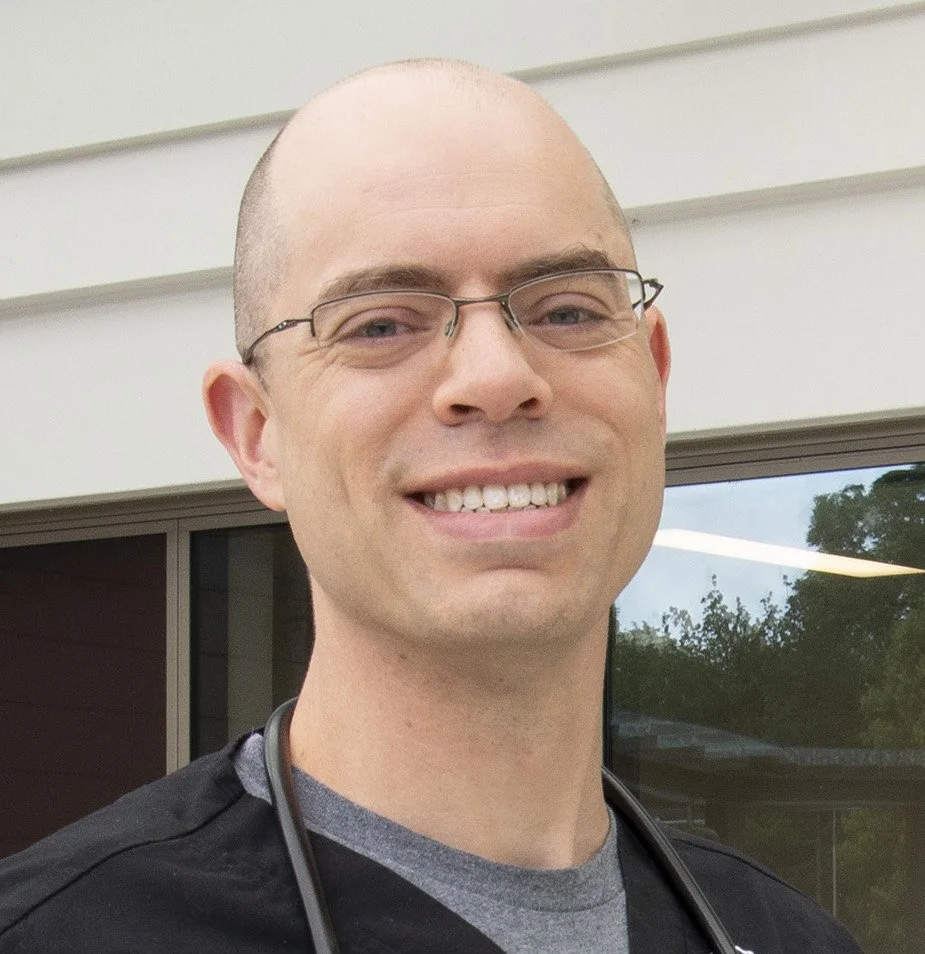
Ryan P. Radecki
Otago Christchurch – Clinical advisor for Health NZ's AI Lab
Ryan P. Radecki, MD MS FACEM FACEP, is a U.S.-trained emergency physician and informatics specialist. He works in the ED at Waitaha Canterbury, and as Clinical Informatics Director with Health NZ in the Centre for Digital Modernisation and the HealthX team. He is also a member of the HNZ National Artificial Intelligence and Algorithm Expert Advisory Group, the National Clinical Practice Committee, and the Whānau, Consumer and Clinician Digital Council.
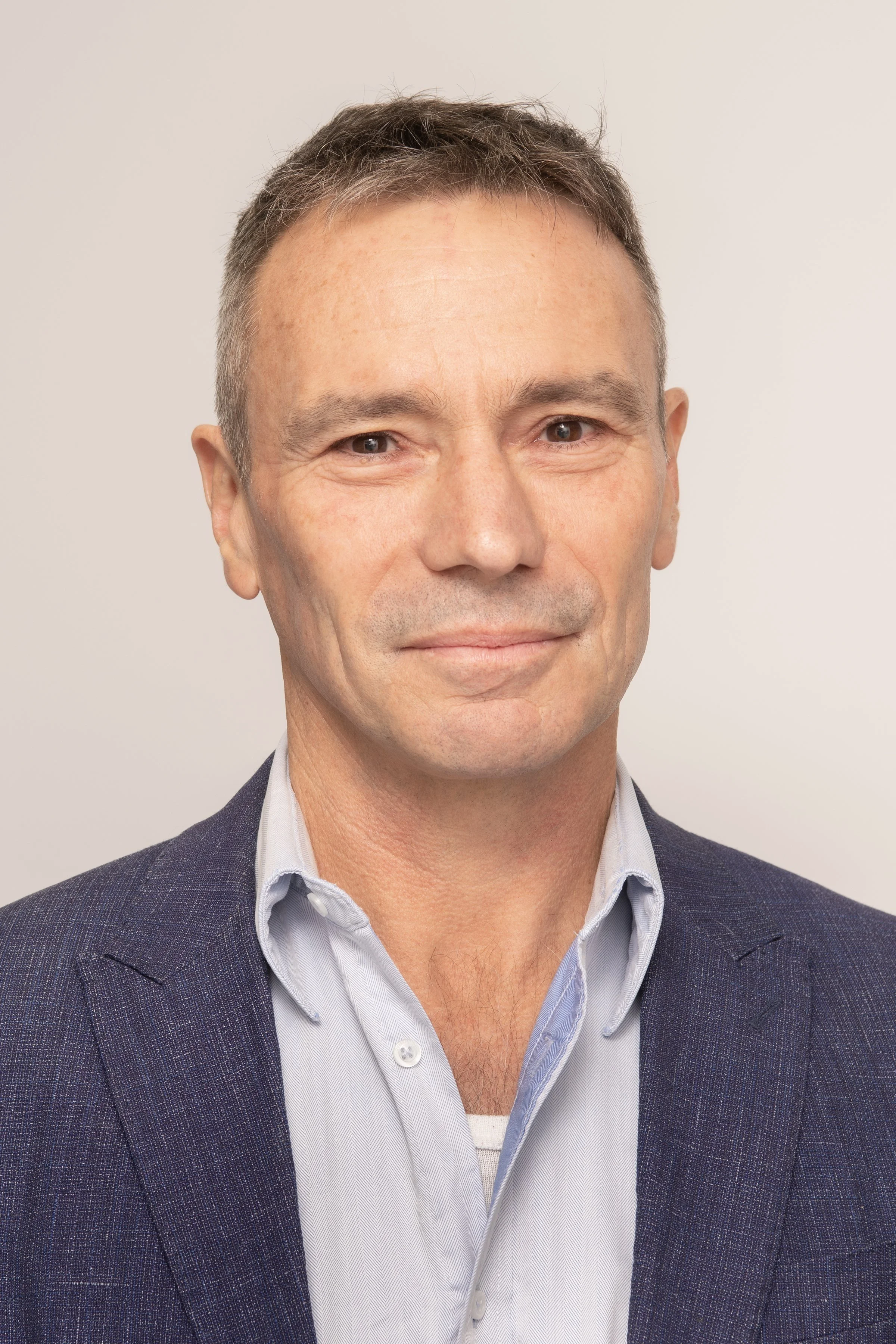
Professor Gavin Painter
The Ferrier Research Institute, Victoria University of Wellington
Professor Painter obtained his PhD in chemistry from the University of Otago in 1995 (synthetic methodology) which was followed by postdoctoral research at the University of Cambridge (the synthesis of inositol phospholipids for elucidation of PI3K pathways). Since joining the Ferrier Research Institute, University of Wellington in New Zealand his research laboratory has focussed on the synthesis of lipid-based materials including phosphatidyl inositol mannosides, glycolipids, glycolipid-peptide conjugates and novel lipid nanoparticles (LNPs) for encapsulation of various vaccine components including RNA, peptides, glycolipids and various immune stimulates. His research group is currently focussed on the development of novel LNPs for vaccine applications, including Malaria and chronic Hepatitis B, and therapeutic applications.
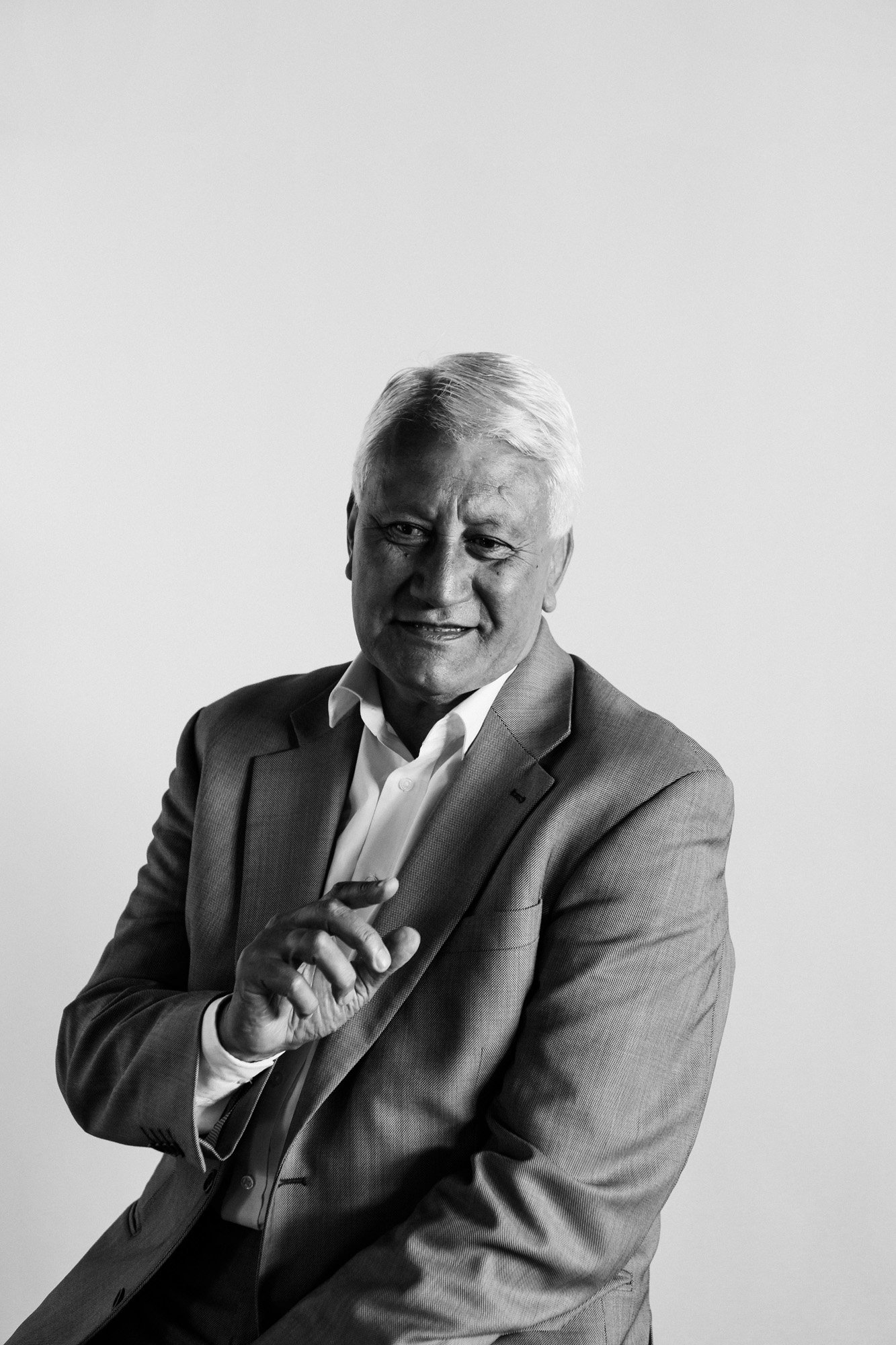
Nuk Korako
Former MP and Child Cancer advocate
Tutehounuku (Nuk) Korako is a former Member of Parliament and experienced company director with extensive governance experience across iwi, environmental, public and corporate sectors. He currently serves as a Governor of the Avon River Regeneration Programme and holds leadership roles across iwi organisations and trusts. A committed community contributor, he is also an active multi-sport participant and Child Cancer fundraiser.

Rob Weinkove is Clinical Director at the Malaghan Institute of Medical Research (MIMR), a Consultant Haematologist at Te Whatu Ora Health New Zealand, and Honorary Professor at the University of Auckland. After studying medicine at the University of Cambridge and Kings College London, he trained in clinical haematology in London and in Hannover, and undertook a PhD in immunology at the University of Otago.
Prof Weinkove leads a clinical and translational chimeric antigen receptor (CAR) T-cell programme at the Malaghan Institute. He was Principal Investigator of ENABLE (NCT04049513), a phase 1 trial of a new third generation CAR T-cell therapy for B-cell lymphomas - a national phase 2 study, ENABLE-2, is underway. He is an active member of the Australasian Leukaemia & Lymphoma Group where he contributes to co-operative group and commercial clinical trials in the fields of B-cell malignancies and prevention of infection in the immunocompromised.
Professor Rob Weinkove
Clinical Director at the Malaghan Institute of Medical Research (MIMR), a Consultant Haematologist at Te Whatu Ora Health New Zealand, and Honorary Professor at the University of Auckland
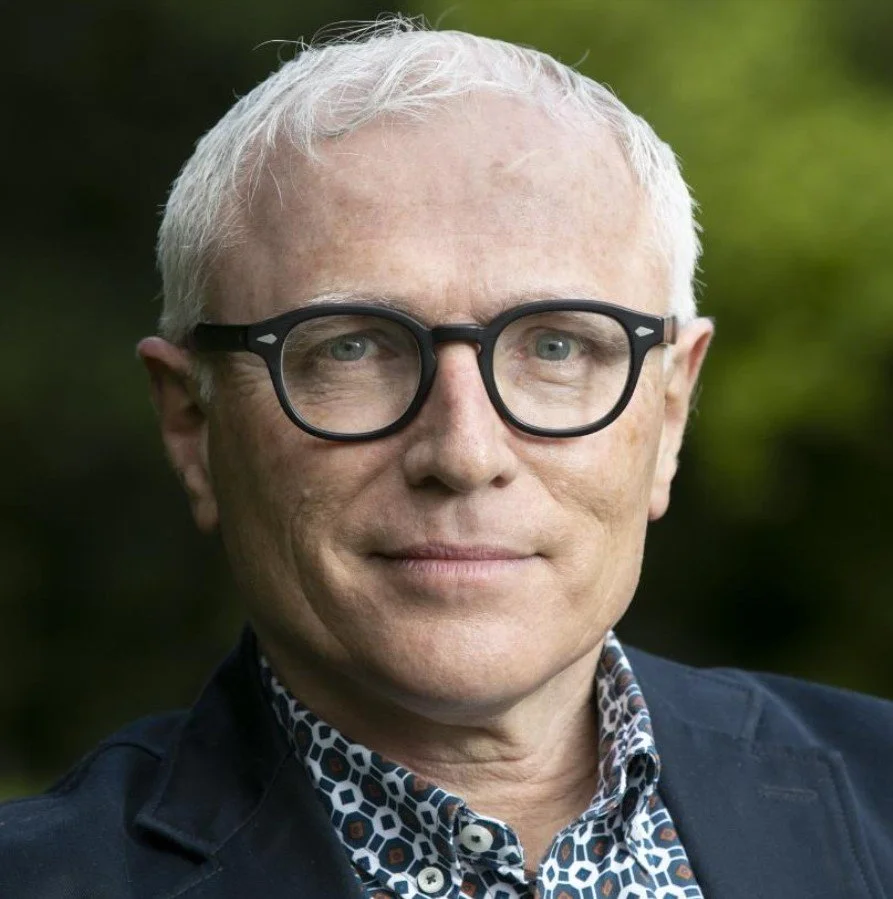
Professor Michael Baker, FRSNZ MNZM
Public health physician, epidemiologist, and active researcher in the Department of Public Health, University of Otago, Wellington
Professor Michael Baker is a public health physician, epidemiologist, and active researcher in the Department of Public Health, University of Otago, Wellington. He is currently (April to September 2026) based in the Department of Epidemiology at Harvard University as a Fulbright Senior Scholar.
Michael leads the Health Protection Aotearoa Research Centre (HPARC) which investigates ways of improving prevention and control of infectious diseases and environmental health hazards. He took a leading role in shaping NZ’s Covid-19 pandemic response, particularly the elimination strategy.
Michael has a strong interest in science communication. He founded and leads the national Public Health Communications Centre (PHCC) which is dedicated to translating research and other evidence into effective policy and practice to improve health, equity and environmental sustainability in NZ.